


Minimally Invasive and Robotic Surgery in Focus: Key Insights from the Second National Conference of BAMIRS 2026
Key Takeaways
- Minimally invasive and robotic surgery continue to redefine modern surgical practice.
- Managing complications and risk factors is becoming a central priority in surgical innovation.
- Interdisciplinary collaboration is critical across surgical specialties and even beyond human medicine.
- Hands-on training and international expertise are essential for advancing surgical skills.
- Events like the Second National Conference of the Bulgarian Association for Minimally Invasive and Robotic Surgery (BAMIRS) strengthen the link between innovation, education, and clinical practice.
A National Platform for Surgical Innovation
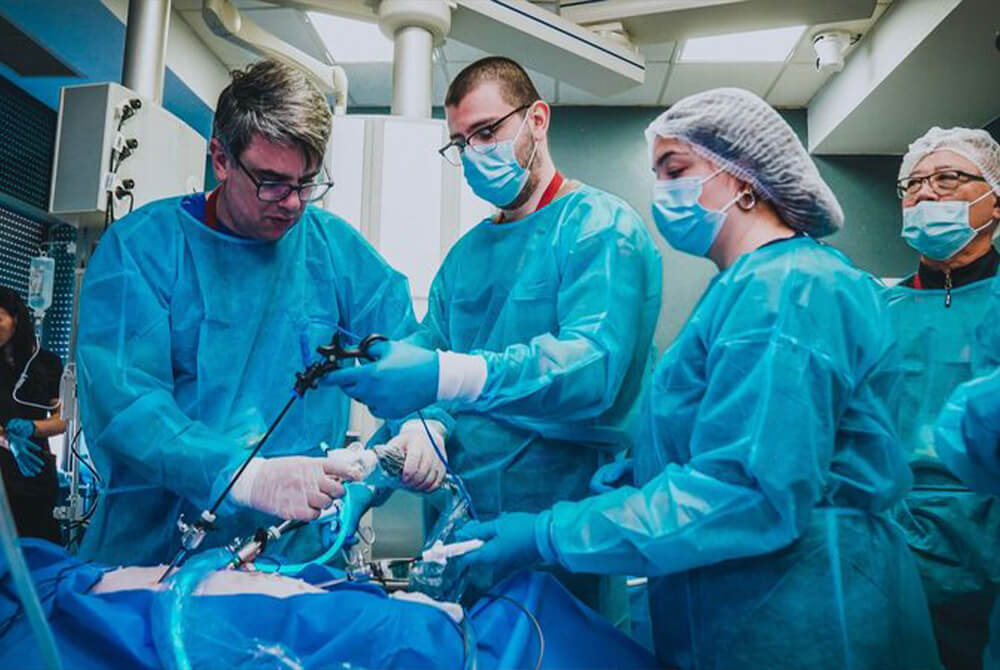
From April 23 to 25, 2026, Medical University Pleven hosted the Second National Conference of the Bulgarian Association for Minimally Invasive and Robotic Surgery (BAMIRS), bringing together leading surgeons, researchers, and medical professionals from Bulgaria and abroad.
The event also featured a pre-congress course for residents and young doctors, supporting the next generation of clinical excellence in minimally invasive and robotic surgery, with international participation from leading experts of the Society of Laparoscopic & Robotic Surgeons.
Organized by the Bulgarian Association of Minimally Invasive and Robotic Surgery (BAMIRS), the event continues to establish itself as a key scientific forum for the development of modern surgery in the region.
Held under the motto “Predict, Prevent, Control”, the conference addressed one of the most critical challenges in surgical practice today: how to anticipate and manage complications in increasingly complex, technology-driven procedures.
From Innovation to Safety: A New Surgical Priority
While minimally invasive and robotic techniques have significantly improved surgical outcomes, they also introduce new layers of complexity. As procedures become more advanced, understanding risk factors and preventing complications becomes essential.
The 2026 edition of the conference placed this issue at the center of discussion, focusing on thoracic, abdominal, urological, and gynaecological surgery.
The message was clear: innovation in surgery is no longer defined only by technological advancement, but by the ability to deliver safe, predictable, and controlled outcomes.
A Multidisciplinary and International Perspective
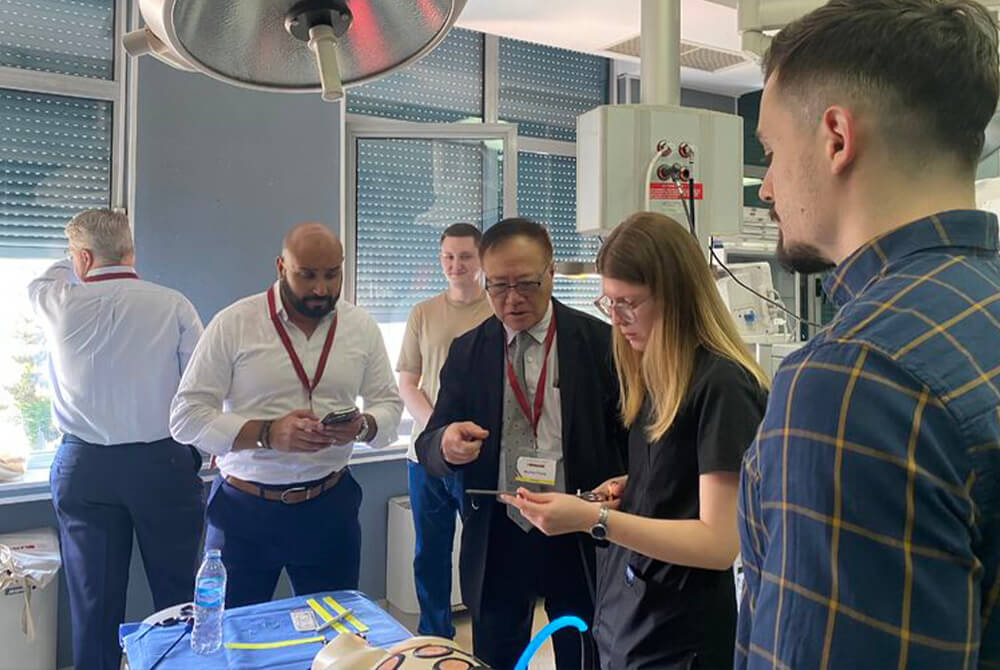
The conference brought together specialists from multiple surgical domains, reflecting the increasingly interdisciplinary nature of modern medicine.
Participants shared clinical experience, presented innovative techniques, and discussed real-world challenges in applying minimally invasive approaches across different specialties.
This exchange of knowledge highlighted an important trend: the boundaries between disciplines are becoming less rigid, and innovation often emerges at their intersection.
A notable addition this year was the introduction of a dedicated session on minimally invasive surgery in veterinary medicine, opening new opportunities for cross-disciplinary collaboration and knowledge transfer.
Training the Next Generation of Surgeons
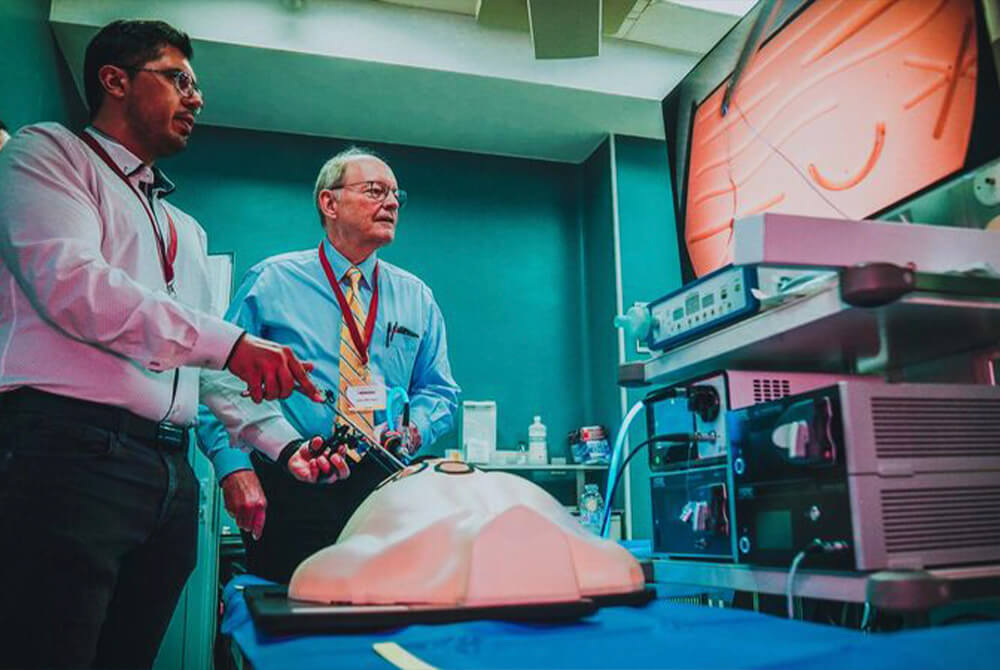
A key component of the Second National Conference of BAMIRS 2026 was its strong focus on education and practical training.
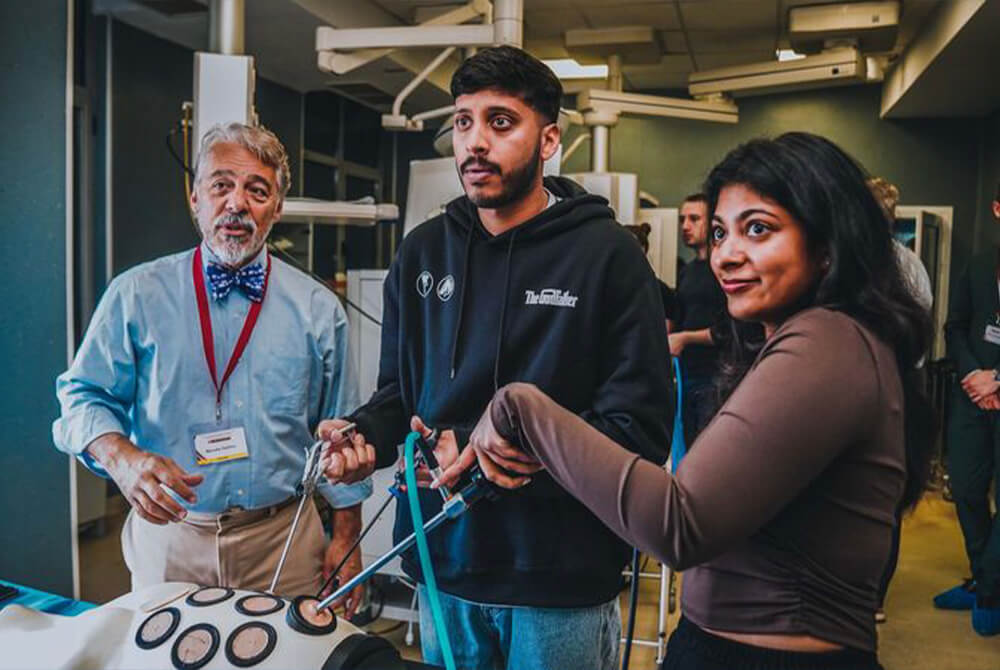
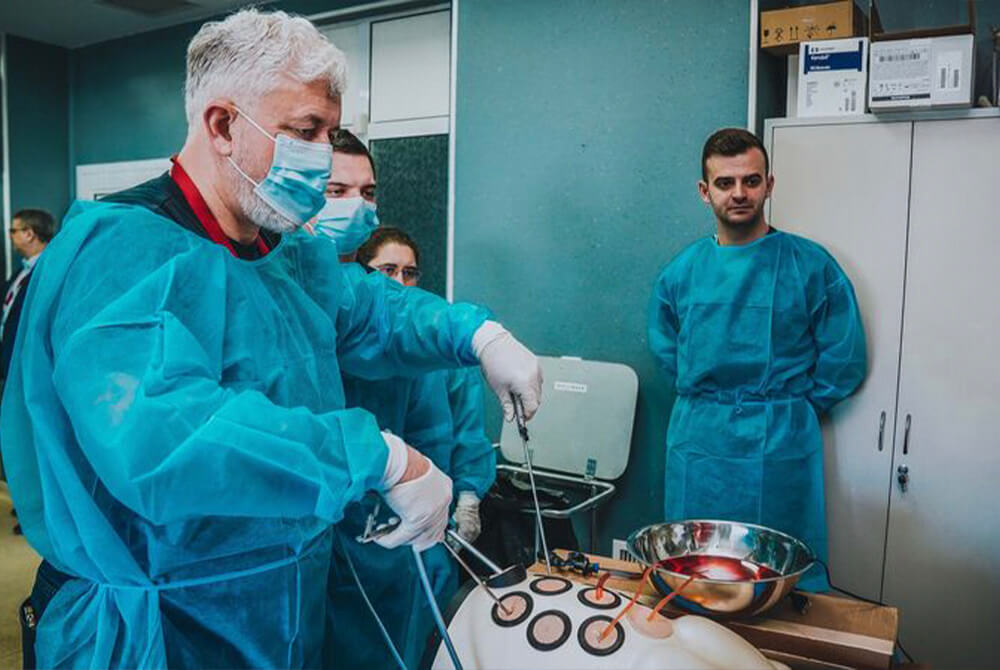
The pre-congress course, held on April 22–23, provided hands-on training for young doctors and residents, guided by international experts from the Society of Laparoscopic & Robotic Surgeons.
Participants had the opportunity to work on real cases, develop technical skills, and gain direct exposure to advanced surgical techniques.
This emphasis on training reflects a broader shift in healthcare: technology alone is not enough – skills, experience, and continuous learning are essential to ensure safe and effective implementation.
The Role of the Leonardo Da Vinci Center of Competence
The discussions and hands-on training highlighted at the Second National Conference of BAMIRS 2026 reflect a broader transformation in surgical innovation—one that depends on integrated environments combining technology, clinical expertise, and education.
The Leonardo Da Vinci Center of Competence plays a key role in this ecosystem. Through its focus on minimally invasive and robotic surgery, the Center supports the development, validation, and clinical adoption of advanced surgical techniques.
By combining infrastructure such as robotic platforms and simulation environments with specialized training programs, the Center enables surgeons to move beyond theoretical knowledge and build real-world capabilities. This approach aligns with the growing need for continuous professional development in a field where technologies and procedures evolve rapidly.
Equally important is the Centre’s role in fostering collaboration between clinicians, researchers, and technology providers. This integrated model ensures that innovation is not only developed, but effectively translated into safer procedures, improved outcomes, and more efficient surgical workflows.
Expanding the Scope of Minimally Invasive Surgery
The scientific program covered a wide range of topics, including robotic and minimally invasive surgery, gastroenterology, endoscopy, and innovations in oncology.
Discussions also explored the integration of new technologies into clinical workflows, highlighting the growing role of digital tools, data, and simulation in surgical practice.
This expanding scope demonstrates how minimally invasive surgery is evolving into a broader ecosystem that combines clinical expertise, technological innovation, and data-driven decision-making.
Leadership and Institutional Impact
The conference was chaired by Corr. Memb. Prof. Slavcho Tomov, with the scientific and organizing committees led by Acad. Dr. Grigor Gorchev and Prof. Dr. Dobromir Dimitrov, whose contributions have been instrumental in advancing minimally invasive and robotic surgery in Bulgaria.
Their leadership reflects the importance of strong institutional support in driving innovation, fostering collaboration, and building sustainable platforms for professional development.
From Surgical Innovation to Clinical Impact
The Second National Conference of BAMIRS 2026 demonstrated that the future of surgery lies not only in new technologies, but in their effective integration into clinical practice.
By combining scientific exchange, practical training, and interdisciplinary collaboration, the conference contributes to improving surgical outcomes and raising the standard of care.
It also reinforces the importance of creating environments where innovation can be tested, refined, and adopted in real-world conditions.
Shaping the Future of Modern Surgery
As minimally invasive and robotic surgery continue to evolve, the focus is shifting toward precision, safety, and predictability.
Events like the Second National Conference of BAMIRS 2026 play a critical role in this transformation. They bring together expertise, foster collaboration, and support the development of the next generation of surgeons.
In doing so, they help bridge the gap between innovation and practice, ensuring that advances in surgical technology translate into better outcomes for patients.
In this evolving landscape, institutions such as the Leonardo Da Vinci Center of Competence play an essential role by providing the infrastructure, expertise, and training needed to turn surgical innovation into real-world clinical impact.
Q&A: The Second National Conference of BAMIRS 2026
What is the Second National Conference of BAMIRS 2026?
A national scientific conference with international participation focused on minimally invasive and robotic surgery.
What was the main theme in 2026?
Complications and risk factors in minimally invasive surgery, under the motto “Predict, Prevent, Control.”
Who participated in the event?
Leading surgeons, researchers, and medical professionals from Bulgaria and abroad.
Why is this event important?
It supports knowledge exchange, training, and the adoption of innovative surgical techniques.
What makes this conference unique?
Its strong focus on practical training, interdisciplinary collaboration, and integration of new technologies into clinical practice.