


Advancing Precision Oncology: Key Insights from the Academy of Molecular Pathology and Personalized Medicine 2026
Key Takeaways
- Precision diagnostics and molecular pathology are transforming cervical and endometrial cancer care.
- Multidisciplinary collaboration is essential for effective patient outcomes.
- Translational education is critical, as many innovations are not yet fully integrated into clinical training.
- Biomarkers, immunotherapy, and minimally invasive surgery are key drivers of change in gynaecological oncology.
- Leadership and expertise from centers like the Leonardo Da Vinci Center of Competence accelerate real-world impact.
A Platform for Translational Knowledge in Precision Medicine
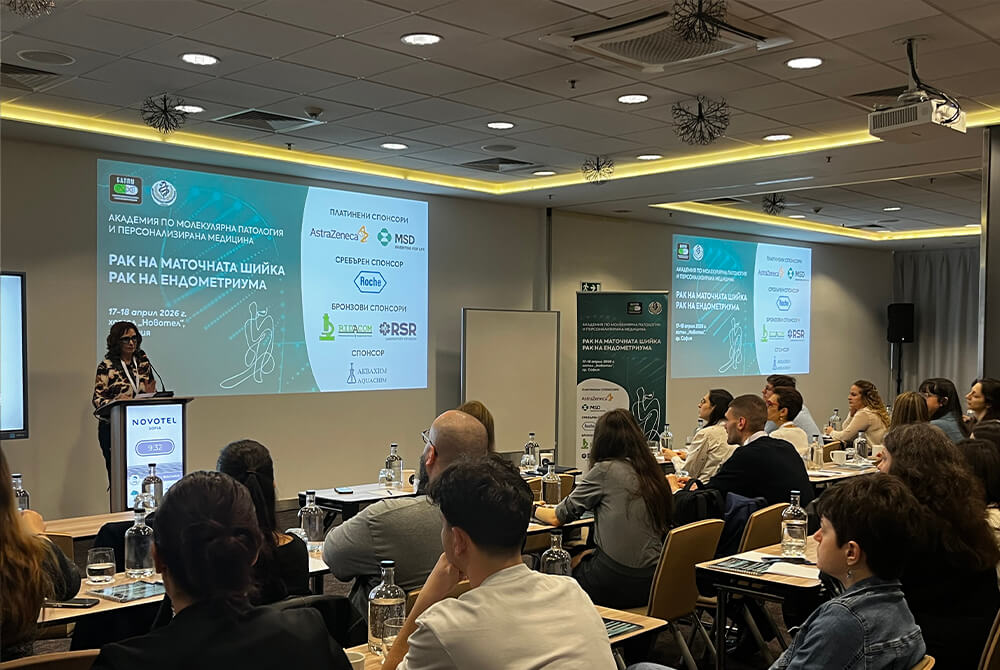
On April 17–18, 2026, the Academy of Molecular Pathology and Personalized Medicine brought together leading experts, clinicians, and researchers in Sofia to explore the future of precision oncology.
Organized by the Bulgarian Alliance for Precision and Personalized Medicine (BAPPM) in collaboration with the Medical University of Pleven, the Academy builds on a long-standing institutional partnership established in 2018. Over the years, it has evolved into a key platform for translational knowledge exchange in healthcare, connecting scientific advances with clinical practice.
The 2026 edition focused on two critical areas in women’s health: cervical cancer and endometrial cancer, where early diagnosis, molecular profiling, and personalized therapies are rapidly transforming outcomes.
Bridging the Gap Between Innovation and Clinical Practice
A central theme of the Academy was the persistent gap between scientific progress and clinical implementation.
Despite rapid advances in molecular diagnostics and personalized therapies, many of these innovations are still not fully integrated into medical education or routine clinical workflows. At the same time, they are already being applied in leading international centers.
This creates a clear need for structured educational platforms that translate cutting-edge science into practical clinical knowledge. The Academy addresses this need by providing specialists and trainees in pathology, molecular biology, and related fields with direct exposure to state-of-the-art diagnostic and therapeutic approaches.
Precision Oncology in Practice: From Diagnosis to Treatment
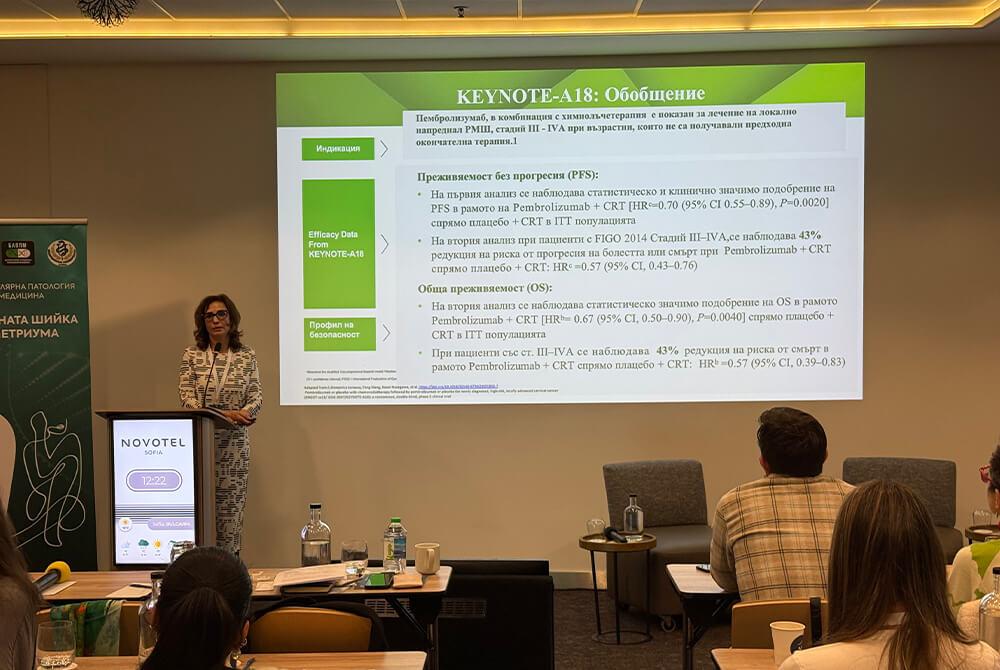
The scientific program reflected the full continuum of care in gynaecological oncology, from prevention and screening to diagnosis, treatment, and follow-up.
Discussions highlighted the growing role of molecular diagnostics and biomarker-driven strategies in guiding treatment decisions. At the same time, advances in immunotherapy and targeted therapies are redefining patient management. Surgical innovation, including minimally invasive and robotic techniques, continues to improve both clinical outcomes and patient recovery.
This integrated perspective demonstrates how precision medicine is becoming an integral part of everyday clinical practice, rather than remaining a purely research-driven concept.
The Power of Multidisciplinary Collaboration
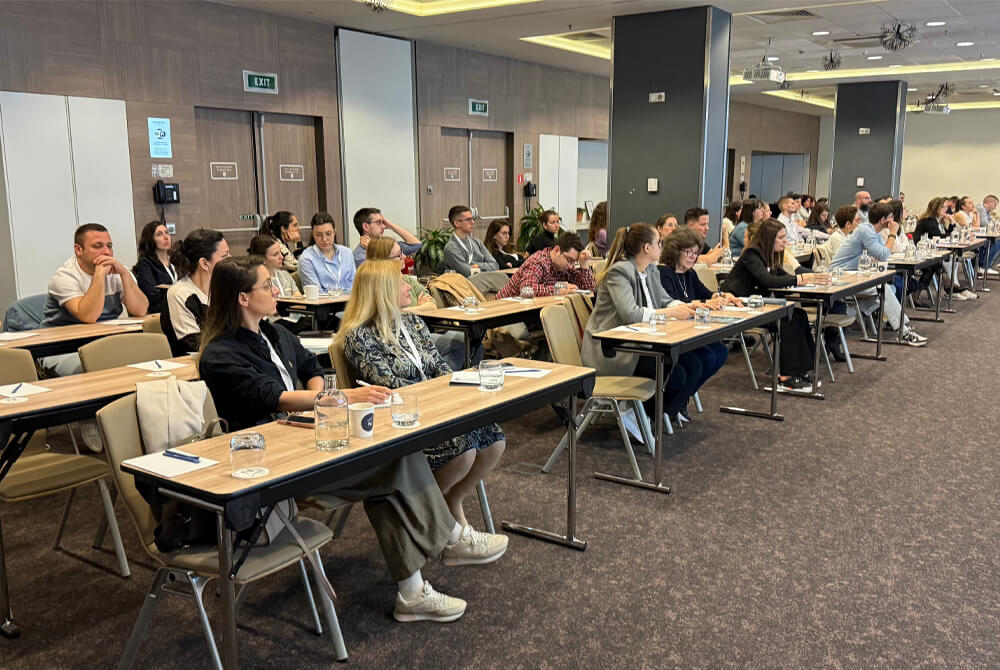
One of the defining features of the Academy was its strong multidisciplinary format, reflecting the complexity of modern cancer care.
The first day brought together leading specialists from across medical disciplines involved in prevention, screening, precision diagnosis, treatment, and follow-up of patients with cervical and endometrial cancer.
This approach emphasized that effective oncology care today depends on close collaboration between pathologists, oncologists, surgeons, and other healthcare professionals. Rather than addressing isolated aspects of care, the discussions focused on the full patient pathway, demonstrating how precision oncology relies on coordinated expertise and shared clinical decision-making.
From Theory to Practice: Master Class in Molecular Pathology
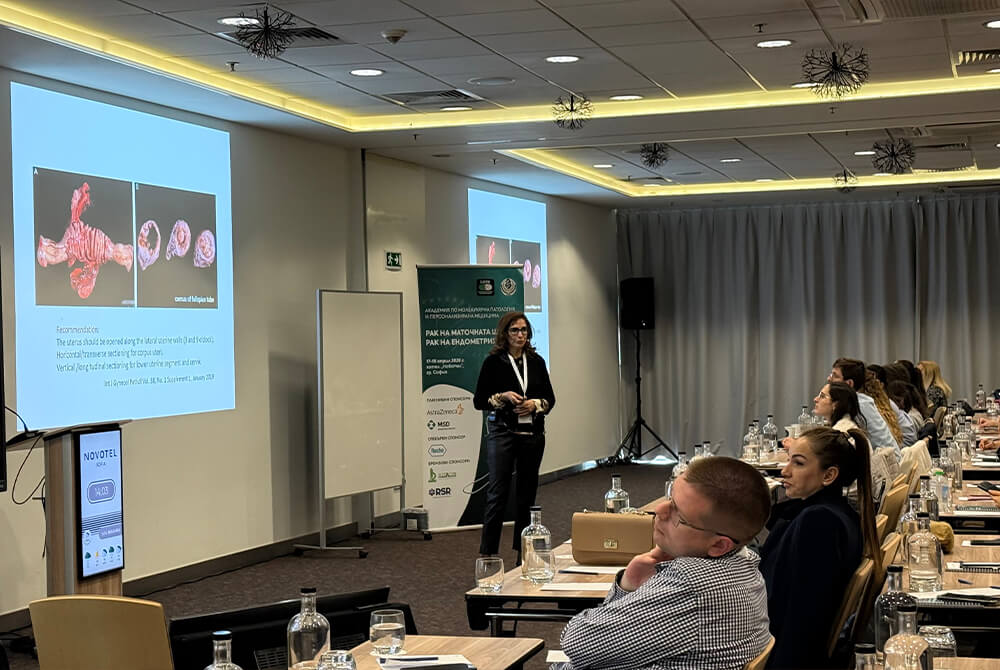
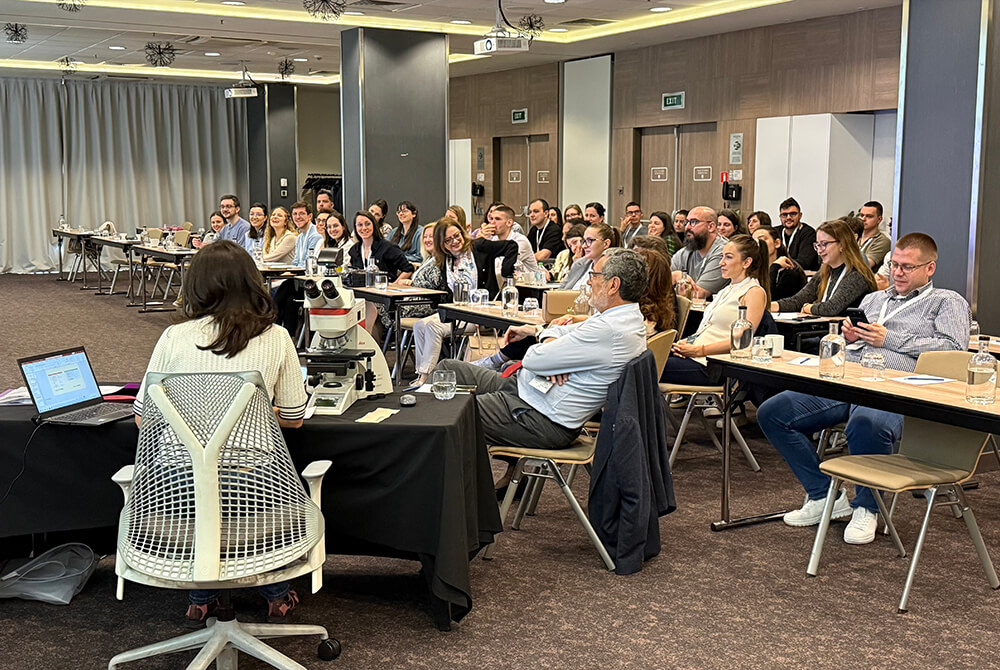
The second day of the Academy was dedicated to a specialized Master Class in molecular pathology, providing a more focused and practice-oriented learning experience.
The Master Class was led by Prof. Savelina Popovska, Head of the Department of Pathology at the Medical University of Pleven and one of the key leaders of the Leonardo Da Vinci Center of Competence, with the special participation of Prof. Xavier Matias-Guiu, President-Elect of the European Society of Pathology.
Under Prof. Popovska’s guidance, participants engaged in case-based discussions, diagnostic interpretation, and practical exercises focused on the molecular pathology of cervical and endometrial cancer.
The training emphasized the integration of morphological and molecular data, supporting more accurate diagnosis and enabling personalized treatment strategies. This hands-on approach reflects a core principle of translational innovation in healthcare: knowledge must move beyond theory and be applied in real clinical contexts.
Global Expertise and European Perspective
The participation of leading international experts ensured that the Academy was aligned with the latest developments in European and global oncology.
Prof. Xavier Matias-Guiu, a globally recognized expert in molecular pathology and gynaecological cancers, brought extensive experience in integrating molecular tumor characteristics into clinical decision-making and international guidelines.
This combination of international expertise and national leadership created a unique environment for high-level knowledge exchange.
Leadership, Expertise, and the Role of the Da Vinci Center
The Academy also highlighted the growing role of the Leonardo Da Vinci Center of Competence as a driver of precision medicine and translational education in the region.
Through the leadership of experts such as Prof. Savelina Popovska, the Center contributes to advancing molecular pathology, precision diagnostics, and interdisciplinary collaboration. Its involvement in initiatives like the Academy demonstrates how research, education, and clinical practice can be effectively integrated.
By supporting high-level training and knowledge exchange, the Center plays an important role in preparing healthcare professionals to adopt new technologies and apply them in everyday clinical practice.
Education as a Catalyst for Translational Innovation
A recurring theme throughout the Academy was the importance of education in enabling innovation.
Many of the topics discussed, including advanced molecular diagnostics and biomarker-driven therapies, are still not widely covered in standard medical curricula. Bridging this gap requires continuous professional development and targeted training initiatives.
Without investment in education and skills development, the adoption of precision medicine will remain limited, regardless of technological progress.
From Healthcare Innovation to Real-World Impact
Translational innovation in healthcare transforms scientific progress into measurable outcomes. By integrating research, clinical practice, and technology, it enables faster adoption of new solutions, improves patient outcomes, and enhances the efficiency of healthcare systems.
This approach ensures that innovation becomes scalable, sustainable, and accessible in real-world settings, moving beyond isolated breakthroughs to deliver consistent clinical value.
The future of modern healthcare innovation depends on the ability to translate knowledge into practice. As integrated ecosystems continue to evolve, organizations like the Leonardo Da Vinci Center of Competence play a central role in shaping a more precise, efficient, and patient-centred healthcare system.
Q&A: Key Questions After the Academy
What was the focus of the 2026 Academy?
The event focused on cervical and endometrial cancer, with emphasis on precision diagnostics, molecular pathology, and personalized treatment.
Why is molecular pathology important in oncology?
It enables more accurate diagnosis and supports personalized treatment decisions based on tumour biology.
What was the role of multidisciplinary collaboration?
It ensured that diagnosis, treatment, and patient care were aligned across different medical specialties.
How does this impact patient outcomes?
Through earlier diagnosis, targeted therapies, and more effective clinical decision-making.
What is the key takeaway from the event?
Translational education and collaboration are essential to fully realize the potential of precision medicine.