



Bulgaria Advances Precision Oncology Through Robotic Surgery and Molecular Diagnostics
Key Takeaways
- First implementation in Bulgaria of intraoperative OSNA-based detection of sentinel lymph node micrometastases in endometrial cancer.
- Procedures performed at Saint Marina University Hospital – Pleven using the latest-generation Da Vinci 5 robotic platform.
- Milestone combines robotic-assisted surgery, molecular diagnostics, and precision oncology workflows.
- Initiative developed within the Leonardo da Vinci Center of Competence at Medical University – Pleven.
- Prof. Slavcho Tomov, part of the leadership of the Center of Competence, together with his team, continues to drive innovation in robotic surgery and personalized medicine in Bulgaria.
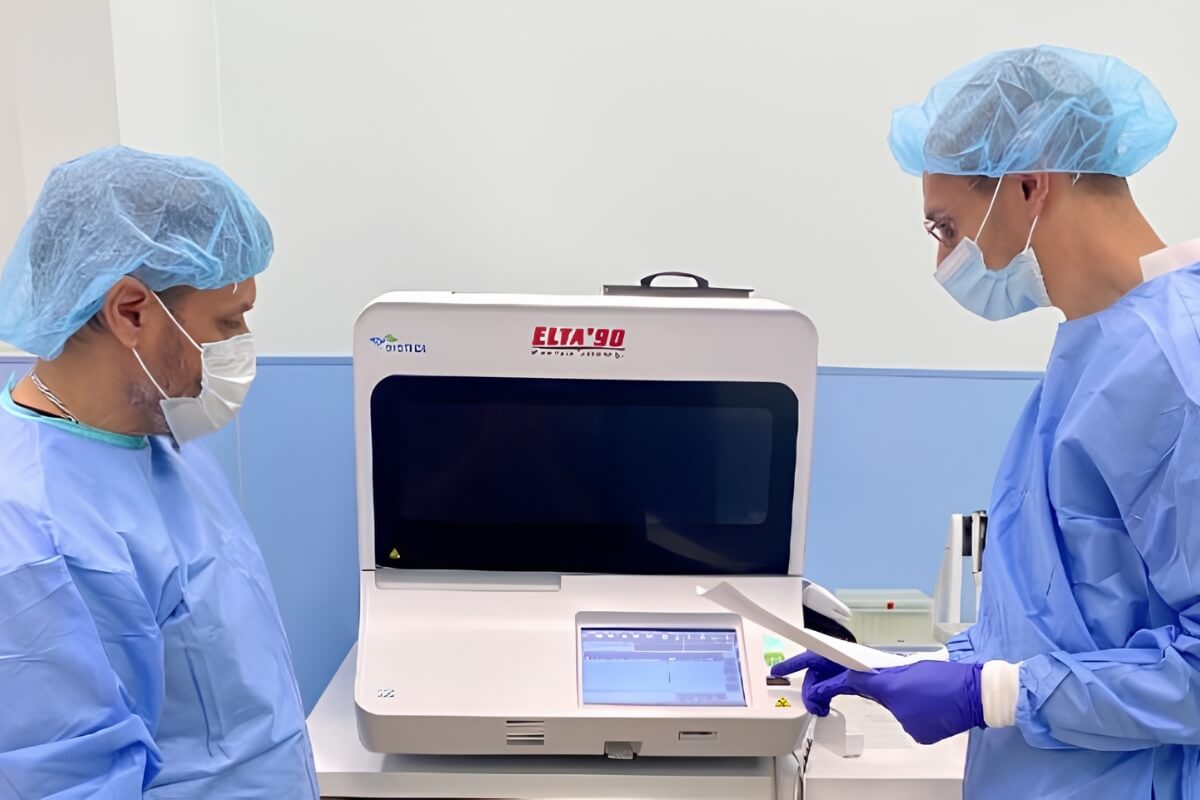
In May 2026, Saint Marina University Hospital – Pleven and Medical University – Pleven achieved another important milestone in healthcare innovation with the successful implementation of Bulgaria’s first intraoperative detection of sentinel lymph node micrometastases in two patients with early-stage endometrial carcinoma using the OSNA system by Sysmex.
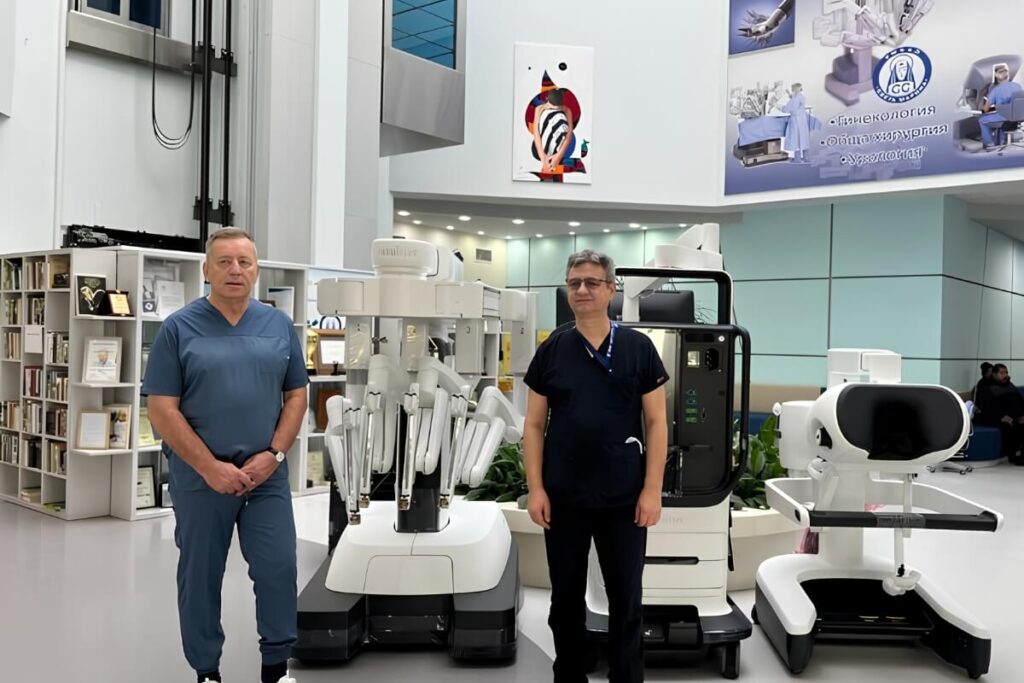
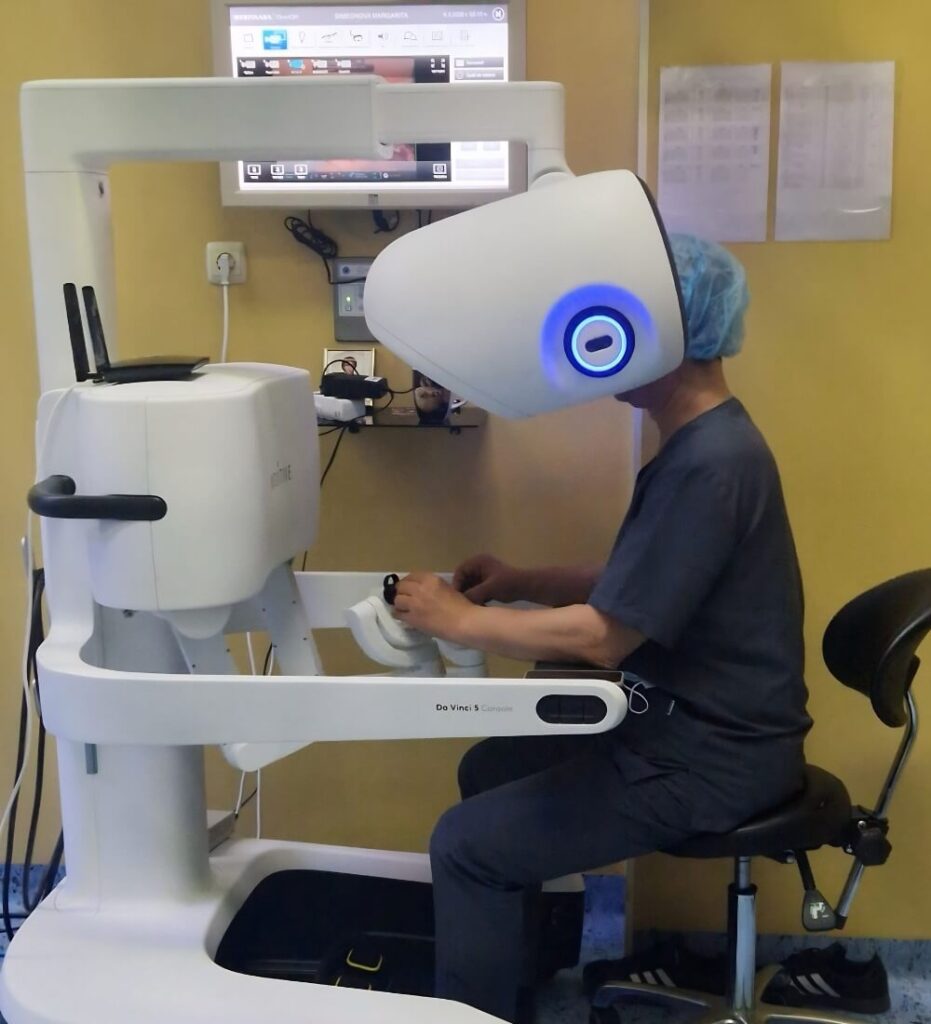
The procedures were performed using the latest-generation Da Vinci 5 robotic surgical system, further strengthening Pleven’s position as a leading center for robotic-assisted surgery and precision medicine.
The initiative demonstrates the growing integration of advanced molecular diagnostics into robotic oncology workflows, enabling highly sensitive ultra-staging methodologies that support more precise surgical decision-making and personalized patient care.
The project brought together multidisciplinary expertise from the Laboratory of Clinical Pathology at Saint Marina University Hospital – Pleven, specialists from Medical University – Pleven, surgical teams, and industry partners. The implementation reflects the collaborative innovation ecosystem established through the Leonardo da Vinci Center of Competence for Personalized Medicine, 3D and Telemedicine, Robotic and Minimally Invasive Surgery.
Prof. Slavcho Tomov, a pioneer of robotic surgery in Bulgaria and a member of the leadership team of the Center of Competence, continues to play a central role in positioning Medical University – Pleven as a hub for translational medicine, robotic technologies, and precision healthcare innovation in Southeastern Europe.
These successful interventions support the strategic area of Robotic Surgery, one of the four key focus areas of the Center of Competence. By combining robotic surgery, pathology innovation, telemedicine, and personalized medicine within a unified clinical and research infrastructure, the Center continues to accelerate the adoption of next-generation healthcare technologies in Bulgaria.
This achievement highlights not only the advancement of gynaecologic oncology in the country, but also the strategic importance of the Center of Competence in transforming research and innovation into real clinical impact for patients.
Questions & Answers
What is OSNA-based detection of sentinel lymph node micrometastases?
OSNA (One-Step Nucleic Acid Amplification) is a molecular diagnostic technology used for the rapid intraoperative detection of cancer metastases in sentinel lymph nodes. The system analyses lymph node tissue for specific molecular markers associated with tumor cells, enabling surgeons and pathologists to identify micrometastases during surgery with high sensitivity and accuracy.
Why is sentinel lymph node analysis important in endometrial cancer?
Sentinel lymph node analysis helps determine whether cancer cells have spread beyond the primary tumor. In patients with endometrial cancer, accurate lymph node assessment is essential for staging the disease, planning postoperative treatment, and improving personalized care while minimizing unnecessary extensive lymph node dissection.
What are micrometastases?
Micrometastases are very small clusters of cancer cells that have spread from the primary tumor to lymph nodes or other tissues. Although they may not be detectable through conventional pathological methods, advanced molecular diagnostics such as OSNA can identify them with greater precision.
What is the Da Vinci 5 robotic platform?
The Da Vinci 5 is the latest-generation robotic-assisted surgical system designed to support minimally invasive procedures with enhanced precision, visualization, dexterity, and surgeon ergonomics. The platform enables highly complex surgical interventions through robotic instrumentation controlled by the surgeon in real time.
What are the benefits of robotic-assisted surgery in gynaecologic oncology?
Robotic-assisted surgery offers several advantages for patients and surgeons, including smaller incisions, reduced blood loss, shorter hospital stays, faster recovery, improved surgical precision, and enhanced visualization during complex oncologic procedures.
Why is this achievement important for Bulgaria?
This milestone demonstrates Bulgaria’s growing capacity to implement advanced precision medicine technologies and robotic-assisted oncology workflows. It also highlights the role of Medical University – Pleven and the Leonardo da Vinci Center of Competence in advancing translational research, clinical innovation, and high-tech healthcare in Southeastern Europe.