



2026 Chinese Congress on Holistic Integrative Oncology: China–Bulgaria Dialogue and Cooperation
Key Takeaways
- The congress brought 60,000 medical professionals from 100 countries to Changsha on 12–15 November 2026.
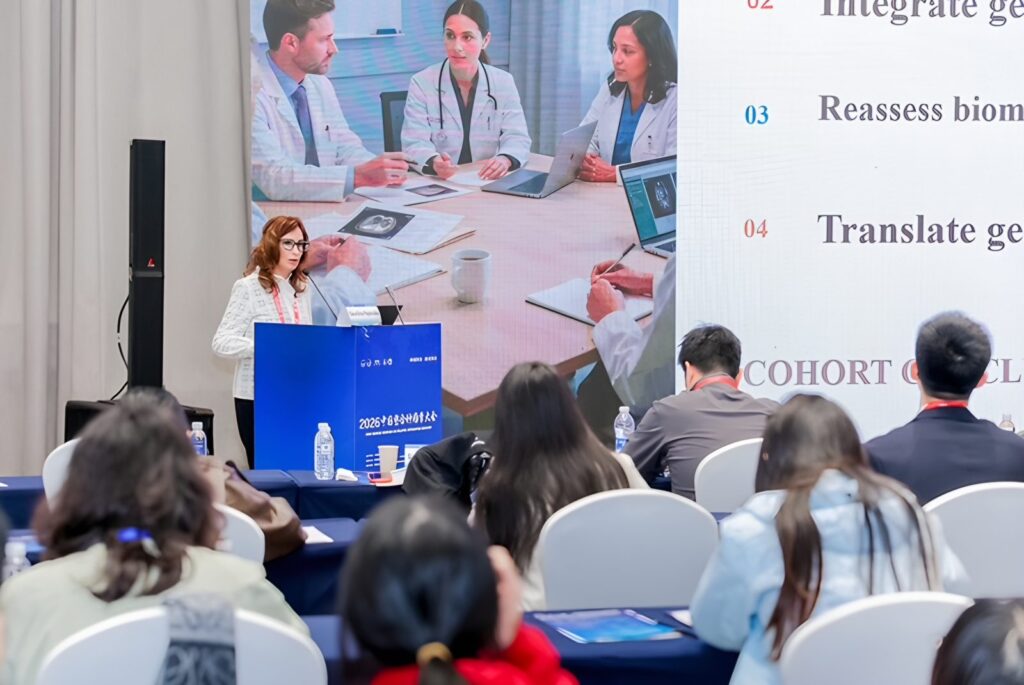
- Prof. Savelina Popovska presented findings on germline and somatic biomarkers in breast cancer from Work Package 1 of the second phase of the Leonardo da Vinci Centre of Competence.
- At the joint symposium, Dr Jasmina Koeva-Balabanova outlined recent advances in cancer care in Bulgaria. The Chinese speakers discussed proton therapy for lung cancer and spending on cancer medicines.
- On 14 November, the China Anti-Cancer Association and the Bulgarian Alliance for Precision and Personalized Medicine signed a memorandum of cooperation.
From 12 to 15 November 2026, the Chinese Congress on Holistic Integrative Oncology was held in Changsha, China, under the theme “Cancer Control, Winning in Integration.” The congress was organized by the China Anti-Cancer Association (CACA), together with the International Association for Holistic Integrative Medicine, the World Association for Integrative Oncology, the Hunan Anti-Cancer Association, and Hunan Cancer Hospital.
Changsha, the capital of Hunan Province, has a population of ten million. It is also called “Star City” (Xingcheng in Chinese), a name rooted in ancient Chinese astronomy and astrology. Ancient Chinese chronicles and astronomical texts describe a star called Changsha in the Chariot constellation (Zhen). It was thought to correspond to this region on Earth.
Today, the nickname is associated primarily with Changsha’s media and entertainment industry, its reputation as a centre of television and popular culture in China, and its status as a UNESCO Creative City of Media Arts.
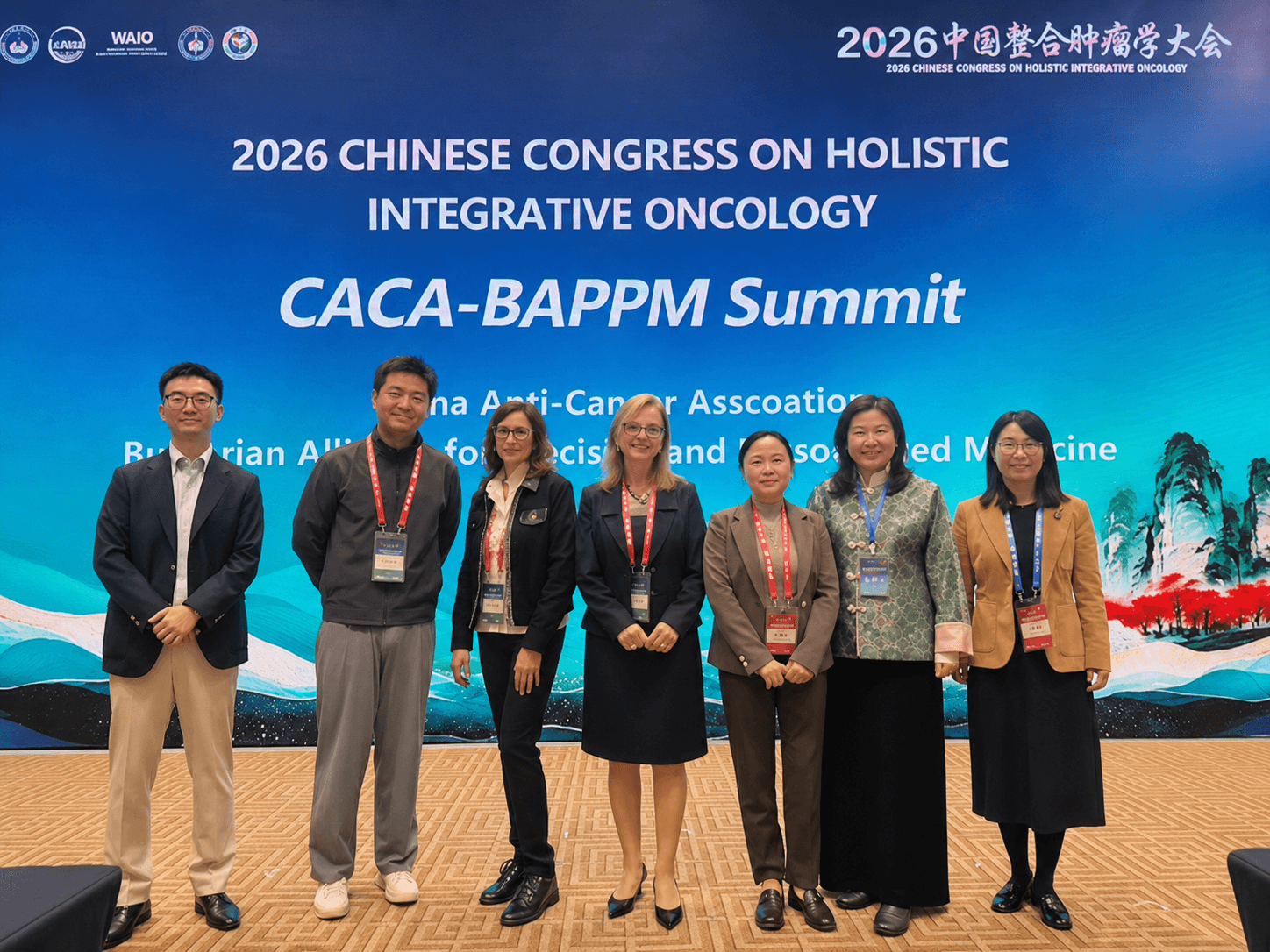
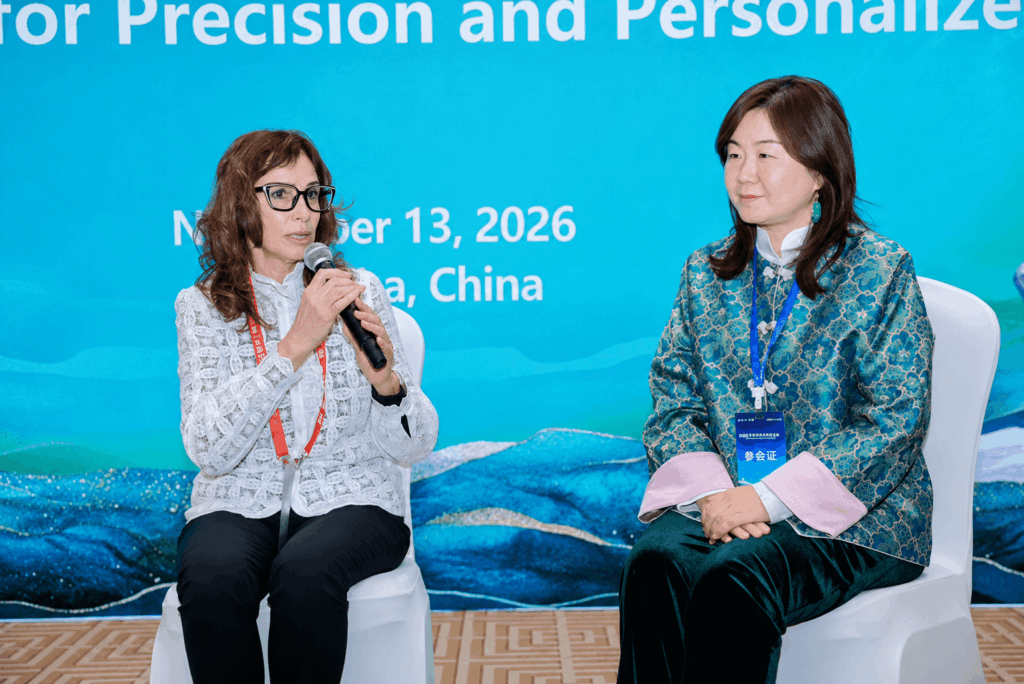
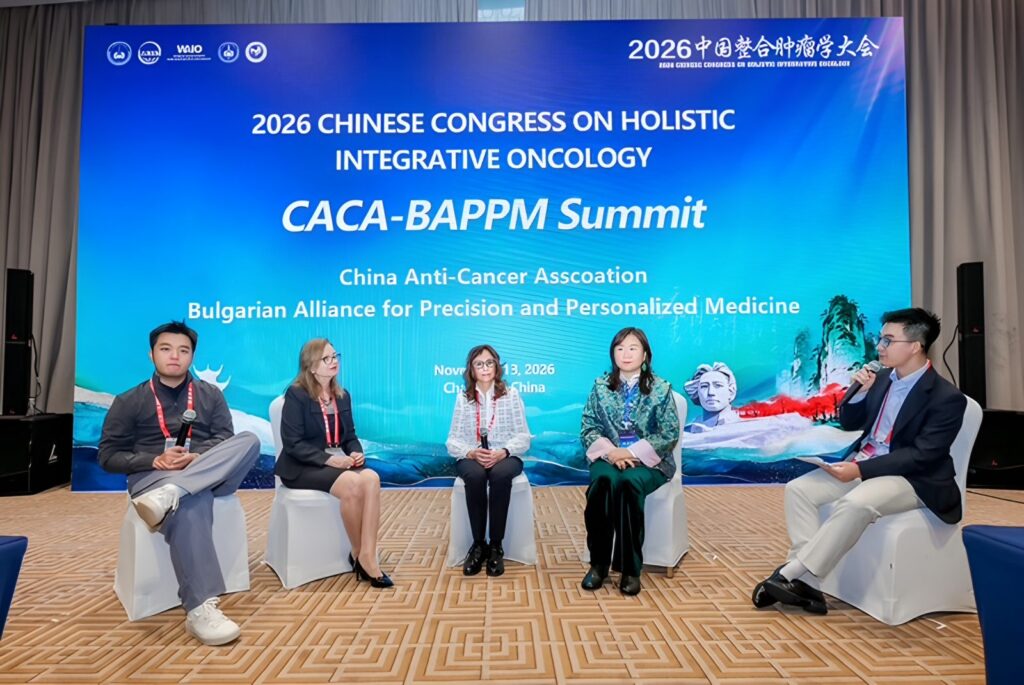
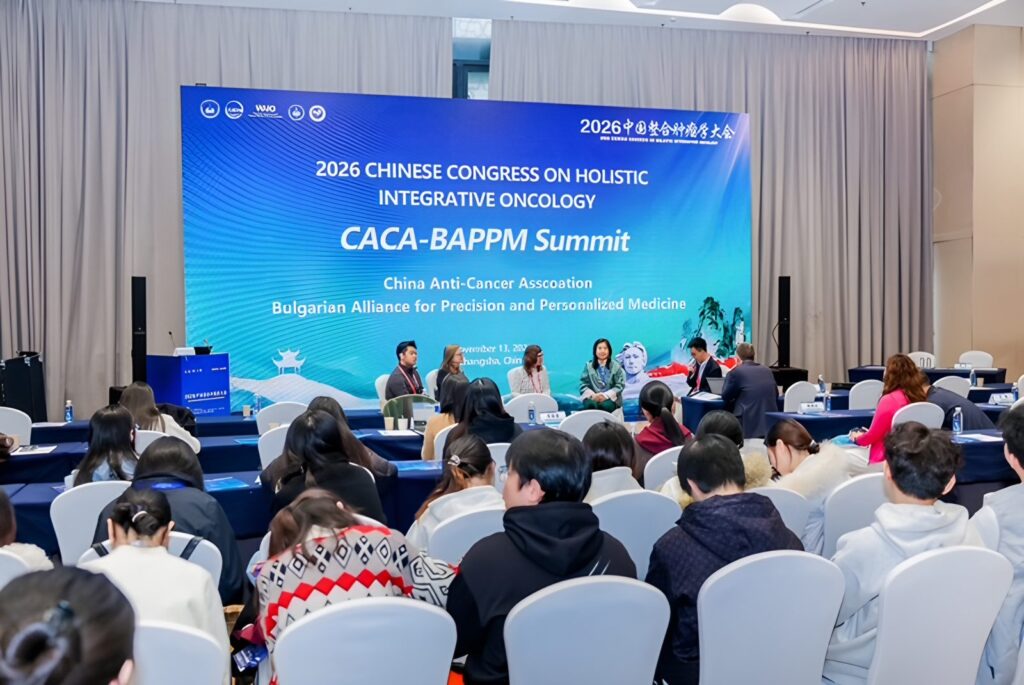
The event brought together 60,000 medical professionals from 100 countries. On the opening day, a symposium was held jointly by CACA and the Bulgarian Alliance for Precision and Personalized Medicine (BAPPM). The Bulgarian participants were Dr. Jasmina Koeva-Balabanova, Chair of BAPPM, and Prof. Savelina Popovska, who presented the results of Phase II, Work Package 1, of the Leonardo da Vinci Centre of Competence, concerning germline and somatic biomarkers in breast cancer.
The Chinese participants in the session were Prof. Rui Meng of Union Hospital in Wuhan and Prof. Yangshi Jiao of the University of Hong Kong. They presented China’s experience in using proton therapy for selected patients with lung cancer, as well as a comparative analysis of the use and costs of key oncology medicines in 40 countries.
Dr. Jasmina Koeva-Balabanova, Chair of BAPPM, presented progress in cancer care in Bulgaria in recent years. A total of 50 symposia were held as part of the event, involving CACA and countries including Nepal, Russia, Azerbaijan, Australia, New Zealand, and EU member states.
Joint symposia were also held with organizations such as the International Society of Oncology Prevention and Treatments, the World Society of Surgical Oncology, a pediatric tumor treatment group, societies for oncogynecology and gastroenterology, the Asian Oncology Society, the American Cancer Society, and international groups focused on lymphoma, prostate cancer, and cancers of the throat and oral cavity, as well as international forums on therapeutic advances in hepatobiliary and pancreatic cancers.
Conference topics included the elimination of cervical cancer; lung cancer risk prediction; treatment of small-cell and non-small-cell lung cancer; advances in stereotactic treatment of gliomas; and the causes of treatment resistance. Discussions also covered CAR T-cell therapy (chimeric antigen receptor T-cell therapy), an innovative form of personalized immunotherapy in which a patient’s own immune cells are genetically reprogrammed to recognize and destroy cancer cells. Often described as a “living medicine,” it offers the possibility of long-term remission for patients with serious hematologic malignancies that have not responded to standard treatment.
Other topics included advances in integrative treatment for melanoma and pancreatic cancer; holistic approaches to treating esophageal cancer; early prevention, screening, and treatment of nasopharyngeal cancer; and a Chinese initiative to improve palliative care for people with cancer.
A special session titled “The Geography of Innovation in Oncology” was also held, moderated by Denis Horgan of the International Cancer Patient Coalition. The session discussed the role of artificial intelligence in oncology.
Other topics included cancer vaccines, sentinel lymph node biopsy, and endometrial cancer.
What Is the Integrative and Holistic Approach to Oncology?
In China, integrative and holistic oncology combines modern Western methods (surgery, chemotherapy, radiotherapy, and immunotherapy) with Traditional Chinese Medicine as an officially recognized and institutionally supported part of the healthcare system. Unlike in the West, where these practices are often viewed as “alternative,” Chinese hospitals apply them alongside conventional treatments through multidisciplinary teams, with the aim of improving treatment effectiveness and supporting the patient’s overall health.
Key Principles of the Chinese Holistic Model
The approach is based on two complementary concepts:
Fuzheng (strengthening the body’s defenses). This focuses on supporting the immune system, vital energy (Qi), and the patient’s overall condition so they can better tolerate intensive therapies.
Quxie (eliminating pathogens). This aims to directly suppress tumor growth and inflammatory processes through conventional methods and specific herbal extracts.
Medicine is at the heart of humanity’s effort to reduce pain and suffering, while integration is key to solving problems. Medical progress is driven by a movement from complexity toward simplicity and by the need to address patients’ problems. Overspecialization, fragmented knowledge, and excessive subspecialization can distance medicine from reality, create artificial and overly complex classifications, and lead to misunderstandings of facts—as in the parable of the blind men describing an elephant.
Integration is a concept in modern medicine. Holistic integrative oncology combines the traditional knowledge of Chinese medicine with contemporary methodologies. In a narrow sense, holistic integrative oncology views the human body as an integrated system that can be considered in conjunction with current clinical knowledge and technologies. In a broader sense, holistic integrative oncology is not a medical specialty, discipline, or technology, but a concept that places the patient at the center and adapts the medical approach to the patient’s social, psychological, and personal characteristics. This combined approach can improve treatment outcomes. Holistic integrative oncology seeks to bring treatment closer to nature and reduce therapy-related side effects. Only a multifactorial integrative approach can address patients’ needs while ensuring that treatment benefits are evidence-based. Holistic integrative oncology encourages a shift from a biomedical to a biopsychological approach, working with natural processes to eliminate bacteria, viruses, and cancer cells while also mobilizing the body’s own resources for vitality, self-healing, and immune support in the fight against disease and cancer. A core principle of holistic integrative oncology is prevention—treating disease before it appears, or preventive medicine.
Holistic integrative oncology promotes the integration of Chinese and Western medicine, recognizing the role of pharmacological treatment and diagnostic algorithms in maintaining quality of life. It views medicine not as an exact science, but as an art centered on people. By 2035, China plans to implement this concept to improve the effectiveness of healthcare and achieve sustainable outcomes in cancer treatment.
At the opening ceremony of the Congress on Holistic Integrative Oncology on 14 November 2026, attended by more than 10,000 participants and watched online by over one million viewers, Prof. Daiming Fan, Chair of CACA, and Dr. Jasmina Koeva-Balabanova, Chair of BAPPM, signed a Memorandum of Cooperation between the China Anti-Cancer Association (CACA) and the Bulgarian Alliance for Precision and Personalized Medicine (BAPPM).
The China Anti-Cancer Association (CACA) is a non-profit, non-governmental organization established in 1984 and headquartered in Tianjin, with more than 870,000 members. Its mission is to improve cancer prevention and treatment through academic conferences, education, the development of recommendations, and global collaboration. A landmark achievement in oncology under CACA’s leadership was the development of the CACA Guidelines for Holistic Integrative Management of Cancer. This major work brought together 16,000 leading medical professionals and covers 125 individual recommendations, 53 cancer types, and 72 specialized techniques. The recommendations have been published in Chinese and English and translated into 16 languages.
CACA has strategic partnerships with established international organizations including AACR, ASCO, ACS, NCCN, ISOPT, SPCC, MASCC, ECO, ICCP, ICPC, SLACOM, Cancer Australia, and ECS, and now also with the Bulgarian Alliance for Precision and Personalized Medicine (BAPPM).
We are confident that fruitful, mutually beneficial cooperation between CACA and BAPPM will contribute to the development and advancement of precision, integrative, and holistic oncology in our two countries, for the benefit of patients and society as a whole.