


Breaking Boundaries in Surgery: How Tele-mentored Robotic Procedures Are Redefining Global Healthcare
Key Takeaways
- A transcontinental robotic tele-mentored surgery between China and Bulgaria marks a major milestone in digital healthcare.
- Real-time surgical collaboration is now possible across continents using advanced platforms and 5G connectivity.
- Tele-mentoring expands access to expertise, improving both patient outcomes and surgical training.
- Robotic surgery, telemedicine, and digital platforms are converging into a new model of care.
- The Leonardo Da Vinci Center of Competence plays a key role in enabling this transformation.
A New Milestone in Global Surgical Innovation
Medical University – Pleven has achieved a significant international milestone with the acceptance of a scientific publication in the Journal of the Society of Laparoscopic & Robotic Surgeons (JSLS). The article presents the first documented case of transcontinental tele-mentoring in robotic colorectal surgery between China and Bulgaria.
This achievement reflects a broader transformation in modern healthcare, where geographical distance is no longer a limitation to expertise, collaboration, or high-quality care.
At its core, this is not just a technical success. It is a demonstration of how digital health, robotic surgery, and real-time collaboration are reshaping the future of medicine.
When Technology Meets Clinical Complexity
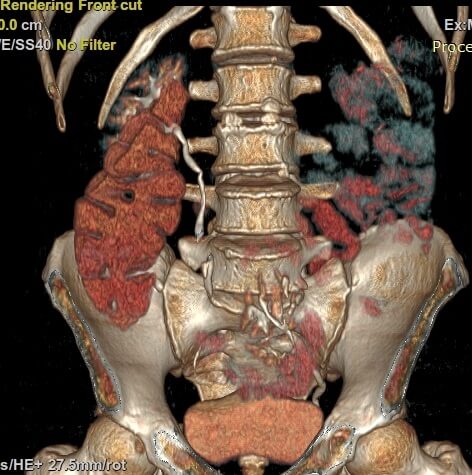
The published case describes a highly complex robotic procedure: an abdominoperineal resection in a patient with rectal cancer and a rare anatomical variation, a pelvic kidney.
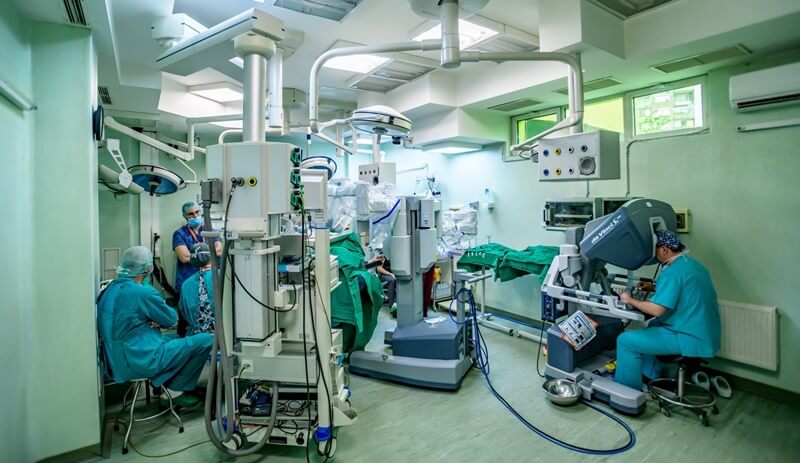
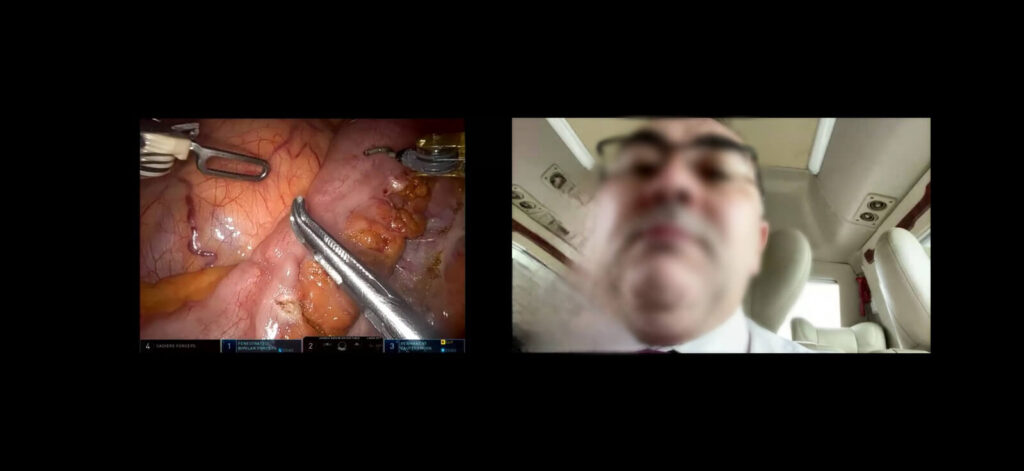
The surgery was performed in Pleven by Assoc. Prof. Dr. Martin Karamanliev and the surgical team, while expert guidance was provided remotely in real time by Prof. Dr. Dobromir Dimitrov, Rector of the Medical University – Pleven, during his visit in China.
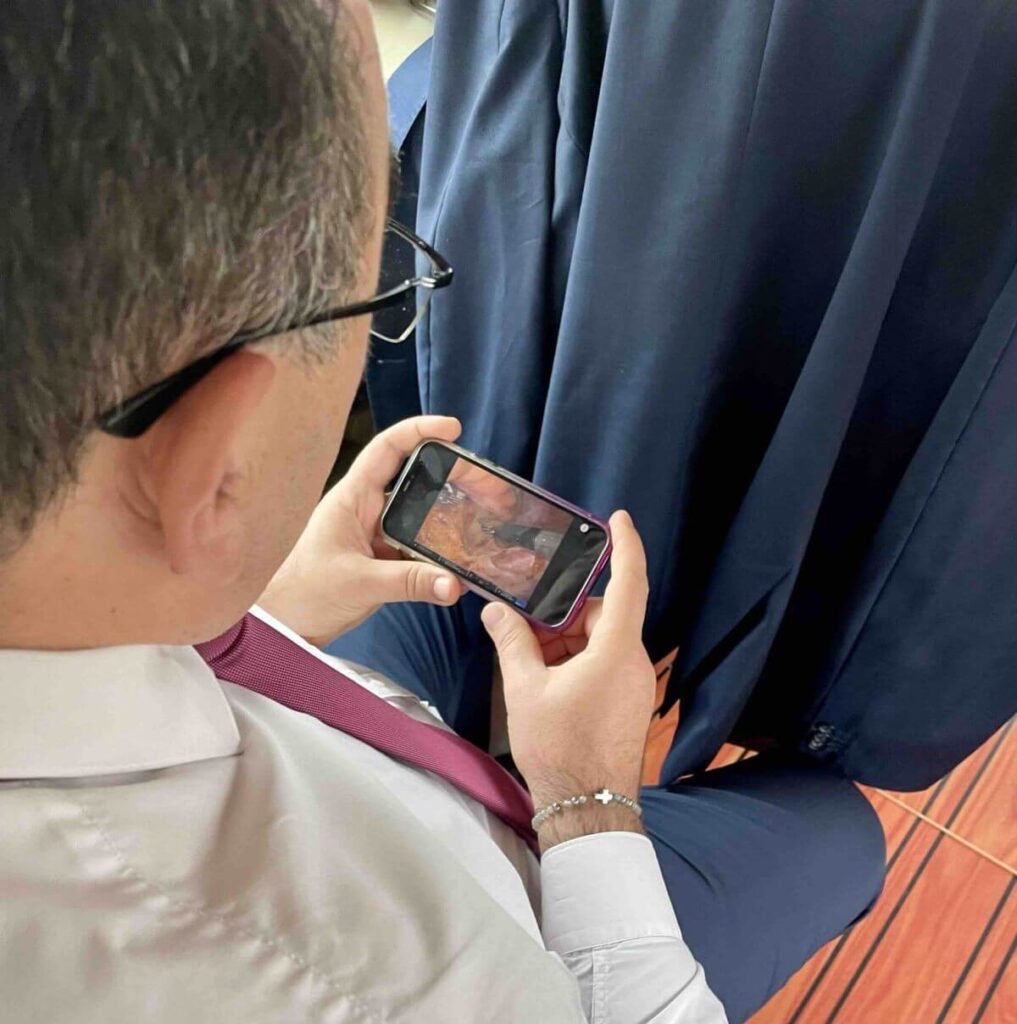
Using the Proximie® platform and 5G connectivity, the team established a secure, interactive audio-visual connection that enabled live mentoring, digital annotations, and surgical guidance during the procedure.
This combination of advanced robotics, connectivity, and expertise demonstrates how technology can extend the reach of surgical knowledge beyond physical boundaries.
The Rise of Tele-mentored Surgery
Tele-mentoring is emerging as a powerful tool in modern healthcare. It allows experienced surgeons to guide procedures remotely, supporting teams in real time and enabling access to specialized expertise that may not be locally available.
This model has significant implications:
- It improves the quality and safety of complex procedures
- It accelerates the adoption of advanced surgical techniques
- It enhances training and knowledge transfer
More importantly, it supports a shift toward globally connected healthcare systems, where expertise can be shared instantly, regardless of location.
From Innovation to Education and Training
One of the most important aspects of tele-mentored surgery is its role in education.
Real-time guidance during procedures creates a powerful learning environment for surgical teams. Instead of relying only on theoretical training or post-operative analysis, clinicians can receive immediate feedback and expert input during critical moments.
This transforms how surgical skills are developed and how knowledge is transferred across institutions and countries.
As healthcare becomes more technology-driven, this integration of practice, training, and collaboration will become increasingly important.
The Role of the Leonardo Da Vinci Center of Competence
This achievement also highlights the growing importance of integrated innovation ecosystems.
The Leonardo Da Vinci Center of Competence at the Medical University – Pleven provides the foundation for such advancements. Established with European support, the Center focuses on precision medicine, 3D technologies, telemedicine, and high-tech surgery.
By combining advanced infrastructure with clinical expertise and research capacity, the Center enables the development and application of solutions such as robotic surgery and tele-mentoring.
It also plays a critical role in connecting international partners, supporting interdisciplinary collaboration, and creating environments where innovation can be tested and implemented in real clinical settings.
This integrated approach ensures that technological progress translates into better patient outcomes and more effective medical training.
A Global Collaboration Model
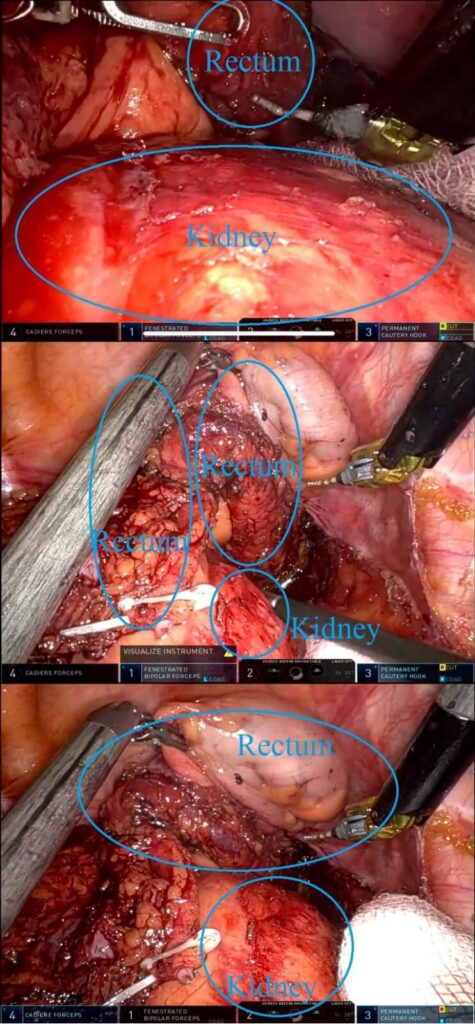
The published study is the result of collaboration between specialists from Bulgaria, China, and the United States, demonstrating the importance of international partnerships in advancing modern medicine.
Such collaborations are essential for:
- sharing expertise
- validating new approaches
- accelerating innovation
They also position institutions like Medical University – Pleven as active contributors to the global development of digital health and robotic surgery.
This case is a clear example of how translational innovation works in practice.
It brings together:
- advanced surgical technology
- real-time digital platforms
- international expertise
- clinical application
The result is not only a successful surgical outcome, but also a scalable model for future healthcare delivery.
Tele-mentored surgery has the potential to:
- improve access to specialized care
- reduce disparities between regions
- enhance surgical precision and safety
The Future of Surgery Is Connected
The successful implementation of transcontinental tele-mentored robotic surgery marks an important step toward a more connected and collaborative healthcare system.
It demonstrates that the future of surgery is not limited by geography, but enabled by technology, expertise, and strong institutional frameworks.
As digital platforms, robotics, and telemedicine continue to evolve, their integration will define the next generation of healthcare.
In this context, institutions such as the Leonardo Da Vinci Center of Competence play a central role in transforming innovation into real-world clinical impact, shaping a future where knowledge, skills, and care can reach any operating room in the world.
Q&A: Tele-mentored Robotic Surgery
What is tele-mentored surgery?
It is a surgical approach where an expert provides real-time guidance to a surgical team remotely using digital platforms.
Why is this important for healthcare?
It allows access to specialized expertise regardless of location, improving patient outcomes and surgical quality.
What technologies enable tele-mentoring?
Robotic surgical systems, digital collaboration platforms, and high-speed connectivity such as 5G.
What was achieved in this case?
The first documented transcontinental tele-mentored robotic colorectal surgery between China and Bulgaria.
What is the role of the Da Vinci Center?
It provides the infrastructure, expertise, and collaborative environment needed to develop and implement such innovations.